
How to Set Up an Electric Fence for Horses
Ensuring the safety and well-being of your horse is vital, and one of the most effective ways to do this is to install an electric fence. If you’re unfamiliar with electric fences, you might wonder if they are safe for your horse and how the installation works. We are here to answer your questions and give you peace of mind.
This helpful guide covers everything you need to know about electric fences and how to install one safely for your companion.
Table of contents:
How does electric fencing work?
What height should electric fence posts be for horses?
What voltage should an electric fence be for horses?
How to set up an electric fence for horses
How do you introduce a horse to an electric fence?

How does electric fencing work?
The idea of an electric fence is not to harm animals but to train them to stay away from the boundary by forming a psychological barrier.
An energiser unit delivers high-voltage, low-amperage pulses through the fence every one or two seconds. If your horse touches the fence, it will receive a pulsing shock. However, the low amperage (the current’s strength) means it allows the horse to back away without the shock causing them any harm.
Horses are clever creatures and will soon learn to avoid the fence, which becomes a physical and psychological boundary.
What height should electric fence posts be for horses?
The general rule is that taller is better. While a 3-foot fence will contain some horses, most will easily jump that. We recommend the electric fence post be no lower than 140cm (4ft 6), but the most popular choice is 5ft, which should contain even the most determined horses.
What voltage should an electric fence be for horses?
A voltage of around 3,000 will suffice for most horses. It’s enough to give them a shock that will teach them to stay away from the fence but not strong enough to cause them an injury. Horses are intelligent, fast learners, and a shock from a 3,000V fence will soon give them the message.
Some horses may not even need a shock to understand that they must avoid the fence. Many horses will sense that an electric fence is turned on and will naturally maintain a safe distance from it.
How to set up an electric fence for horses
Planning and preparation are vital before setting up your electric fence. You need to decide the size of your paddock, the height of your fence and whether this will be a temporary or permanent space. Drawing this out before you begin will make determining what equipment you need much easier.
Here are the essentials:
- Fence posts: Keep your paddock stable and resilient against the weather. Light posts will be best if you plan on moving your electric fencing regularly, whereas wooden posts are a more long-term solution if you want to build a permanent paddock.
- Fencing conductor: Conductors come in many forms, including wire, tape and rope. We recommend tape or rope for horses as they are less of an injury risk to your animal should they try and run into the fence if spooked.
- Insulators: These connect the fencing conductor to the posts to prevent earthing. Plus, gate handle insulators ensure the current flows through the gate while keeping you safe from shocks.
- Earthing rods and energisers: Convert power and push the pulses down the fencing line.
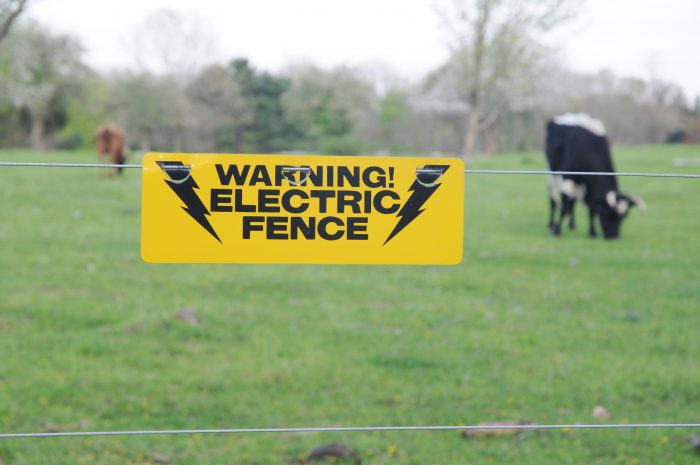
Some extra accessories you might consider include an electric fence warning sign, which must be displayed if the public has access. An electric fence tester is a good idea, too, as it allows you to check for earthing spots before any potential escaping incidents!
How to install your electric fence:
- Install your fence posts. Use a sledgehammer or post driver to secure the posts into the ground. We suggest placing the posts between 5 and 7 metres apart.
- Attach the insulators to the fence posts.
- Fit your fencing rope or tape. Attach through the insulators and pull tight, ensuring there is no slack.
- Install gate handle insulators. If you have a gate, now is the time to install the handle insulator to ensure the full paddock is secure.
- Install metal grounding rods. This is a vital step as it earths the circuit, so ensure they are securely in the ground so the current flows efficiently.
- Install the energiser. Do this by connecting the positive connector clip to the fence and earth the fence by connecting it to the grounding rod.
- Put up warning signs. This is essential if your fence is accessible to the public. However, we recommend it regardless to avoid any nasty surprises.
How do you introduce a horse to an electric fence?
It’s important to introduce your horse to a newly installed electric fence. To help your companion, you can place flags or tapes regularly along the fence to make it more visible. Similarly, introduce your horse to the fence in daylight, not in low-light conditions.
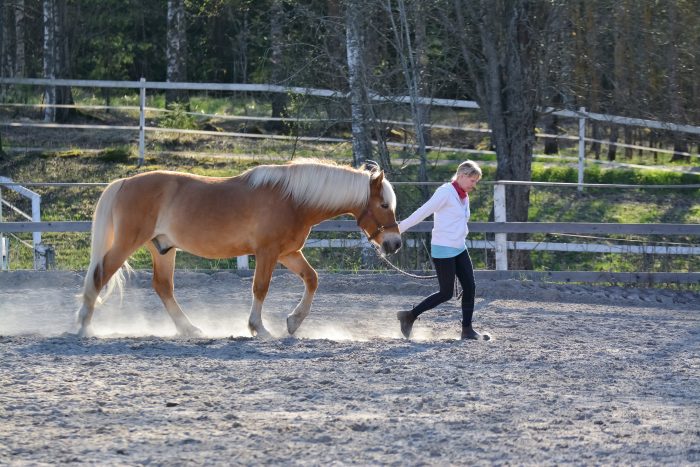
- Lead your horse around the perimeter of the paddock with the power off.
Take your time to slowly lead your horse around the boundary, ensuring the fence is switched off. This keeps things safe for you and your horse and avoids any accidental shocks that could cause them to bolt.
- Switch on the fence and allow your horse to explore.
After a steady stroll with the power off, switch on the fence and allow your horse to wander independently. If you plan to keep multiple horses in the paddock, follow this process with one horse at a time. Once you have let your horse loose in the paddock, ensure you stand outside the fenced area and avoid holding your horse when it investigates the fence.
- Observe your horse.
Keep an eye on your horse for a while. They will likely test the boundaries, and we suggest watching them long enough to see them get a shock. Your horse should recoil from the fence, and it should only take one or two shocks until they get the message and keep a distance from the boundary.
- Avoid:
- Placing water troughs too close to the electric fence.
- Hanging pails on the fence posts.
- Throwing hay close to the fence.
All these things can cause accidental shocks to your horse and adversely affect their well-being if they become wary of their water troughs and food supplies.
Electric fencing supplies at Oakfield
Now you’re ready to install your electric fence, find everything you need for the job at Oakfield. From batteries and mains units to posts, accessories and more, you will find all the essentials in the electric fencing for horses collection. Discover more in our full selection of horse products and find everything you need to care for your companion at Oakfield.

Comments are closed here.