
How to Survive This Winter With Your Horses
Winter brings its own set of challenges for horse owners. From muddy fields to freezing temperatures, ensuring your horse stays healthy and happy requires extra care and attention.
Everyone’s horse has a different routine, whether it’s fully kept at grass, partially turned out, or stabled. Winter horse care typically involves using winter horse rugs or providing extra feed, and often includes adjustments to exercise, with limited opportunities for hacking out. This guide will walk you through the key areas of equine cold-weather management, including feeding and hydration, rugging, and hoof maintenance.
TL;DR: Key Takeaways
- Winter Care for Horses: Comprehensive winter care involves adjusting feeding, hydration, rugging, hoof care, and exercise to keep horses healthy and comfortable in cold and wet conditions.
- Rugging: Not all horses need rugs; consider a horse’s natural coat, clipping status, age, health, and breed. Always use the correct rug weight, check daily for comfort, and allow the coat to breathe by breaking from the rug.
- Hoof Health: Daily hoof picking, providing dry standing, and regular farrier visits are crucial for preventing issues like thrush that can arise from excessively wet, muddy conditions.
- Skin and Coat: Actively manage mud to prevent skin conditions like mud fever and rain scald. Groom regularly to check for issues, but avoid over-grooming unclipped horses, as this can remove their beneficial natural oils.
- Feed and Hydration: Increase forage (hay/haylage) to provide internal warmth via gut fermentation. Ensure constant access to fresh, unfrozen water, using warm water or mashes to encourage drinking.
Table of contents
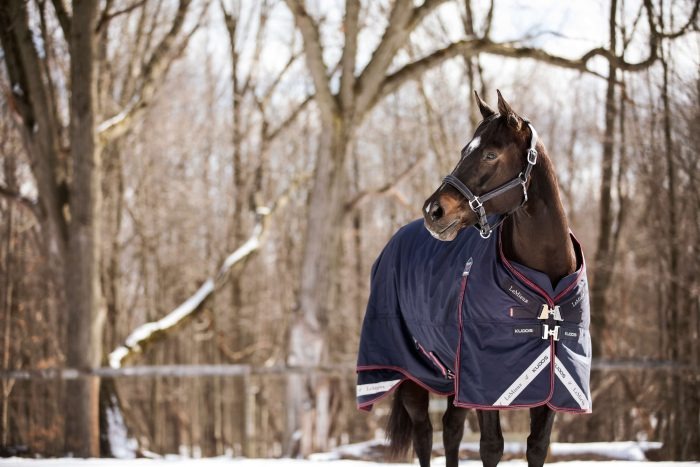
Winter Care for Horses
There are lots of things to think about in terms of caring for your horse throughout the winter months.
Should horses be stabled in winter?
It is a matter of personal preference and the yard’s requirements regarding whether your horse is stabled or out in the fields. Caring for your horse in winter is more challenging than in the summer. They will have different needs than they do in the summer and are likely to require different rugs.
Your horse needs some form of shelter to protect it against the worst of the weather. Sometimes, your horse can get these naturally in the form of trees and hedges or an artificial field shelter or stable, but don’t be surprised if your horse is still standing out in the middle of a storm; at least they have the option!
Choosing the Best Horse Bedding
A range of bedding options is available in the equine market. At Oakfield, we supply wood shavings. Shavings are hygienic, absorbent, and easy to manage. The brands we stock are also dust extracted to aid respiratory health for both horse and owner. We have a range of stable tools to make mucking out a breeze, regardless of the bedding you use.
Add Stable Enrichment
It is important to keep your horse entertained, especially if they must be stabled more due to the weather. Try to make their hay last as long as possible, perhaps using small-holed haynets or alternative fibre options, such as fibre blocks or chaffs. We have a variety of horse toys and treats to keep them occupied and happy.
Exercising your horse during the wintertime
It is essential to exercise your horse, especially if they are stabled more during the winter. Movement is important for reducing stiffness and fluid accumulation in the limbs, which can cause issues. Your horse also needs some stimulation to prevent them from becoming bored if stabled.
Horses often have excess energy in winter, so it may be beneficial to exercise them from the ground, such as lunging. Doing this allows them to blow off some steam safely and can be a useful tool to develop the horse’s movement and muscle structure without the interference of a rider.
Hacking Safely and Using Exercise Sheets
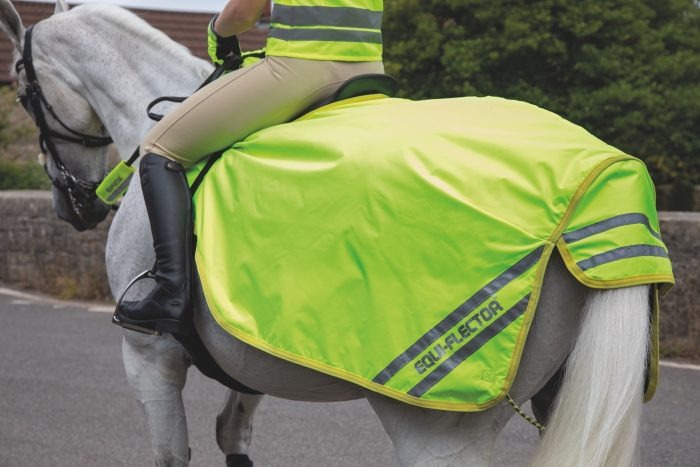
If you’re out hacking, wear plenty of reflective wear to be visible to traffic, especially on duller days. It’s a great idea to use a mix of colours so that you stand out against the changing autumnal leaves.
Exercise or quarter sheets are essential for clipped horses in winter and are particularly useful for slower hacks. We have a range of hi-vis exercise sheets to keep your horse visible and warmer. Exercise sheets keep the muscles warm whilst you warm up and help to reduce any pulls or damage to the muscle tissue. Some are waterproof, keeping your horse comfortable and dry in the rain.
Do Horses Need Rugs in Winter?
This is a common question, and the answer depends on the individual horse. There are several considerations to keep in mind when determining whether it’s time to blanket your horse during the colder months.
Factors to Consider
- Natural Protection: Many horses, especially native breeds, grow a thick winter coat that provides excellent natural insulation. If a horse has access to shelter and plenty of forage, they may not need a rug at all.
- Clipped or Unclipped: Horses that are clipped will require more protection from cold temperatures, which may also help prevent weight loss. Unclipped horses, with their full natural coat, can generally cope for longer without one.
- Body Condition: If your horse has low body fat or is in thin condition, consult with your vet about their health and welfare, and strongly consider using a rug if temperatures drop.
- Have a Spare: It’s recommended to have a spare rug on hand in case the one in use becomes excessively wet and needs to be changed.
- Avoid Over-Rugging: It’s important to avoid applying excessive warmth, as this can cause the horse to overheat, leading to injury and irritation to your horse’s skin. Always remove and re-adjust rugs daily to check your horse for any potential problems. Allow rugged horses time during the day to get fresh air and sun on their backs when the weather allows.
When to Consider a Blanket
You should consider covering your horse with a rug if they are:
- Clipped
- Elderly or unwell
- A finer breed, like a Thoroughbred, that naturally doesn’t grow a thick coat
- Stabled for long periods, as they have less opportunity to move around and generate body heat.
Choosing the Right Rug
Ensure that any rug you use is the correct weight for the weather to prevent your horse from overheating.
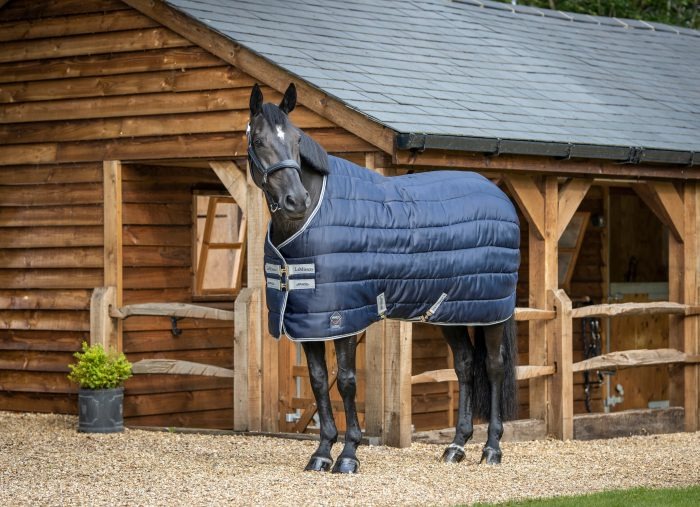
The wide range of winter horse rugs we stock at Oakfield ensures your horse is as happy as possible throughout the worst of the winter weather. We offer a selection of liner-compatible rugs, allowing you to adjust the rug’s thermal insulation for optimum comfort with fewer physical layers.
- If your horse will be in the field over winter, head to our turnout rug range.
- If your horse will be stabled, we also offer a range of stable rugs.
Discover our guides to learn more about horse rugs and how to find the perfect fit for your horse.
Comparison of Rugging Strategies
| Rugging | No Rugging |
| Pros: Provides warmth for clipped, older, or thin horses. Keeps coats clean. Adjustable for varying temperatures (with liners). | Pros: Allows natural coat oils to function optimally. Encourages natural heat generation through forage digestion. Less risk of rubbing/skin irritation. |
| Cons: Requires daily checking/adjustment. Risk of overheating if too heavy. Strips the natural coat oils if left on 24/7. | Cons: Not suitable for clipped horses or those prone to losing condition in cold weather. The horse may get muddy and wet. |
Winter Skin and Coat Care for Horses
Often, horses need additional support to counter seasonal challenges to their skin and bodies. Winter weather can lead to common skin problems if not managed correctly.
Managing Mud-Related Issues
Mud fever and rain scald are bacterial infections that thrive in persistently wet, humid conditions. Try to keep your horse’s legs as clean and dry as possible. If they come in with muddy legs, it’s often more beneficial to let the mud dry completely and then brush it off rather than repeatedly washing and soaking the skin.
Grooming Practices
Regular grooming remains important in winter. It stimulates blood flow and allows you to check thoroughly for any skin issues, such as irritation from rugs or parasites like lice. However, avoid over-brushing an unclipped horse, as this can strip the natural water-repellent oils from their coat, diminishing its protective barrier.
Treating issues early and with the right products will make winter more enjoyable for both of you. Why not discover our collection of supplements and lotions, so you are ready for winter?
Ensure your first aid kit is fully stocked with the essentials:
- Poultice
- Vet wrap
- Wound cream
- Hibiscrub
- Cotton wool
- Thermometer
- Disinfectant spray
- Wound dressings
Winter Hoof Care for Horses
The constant cycle of wet and frozen ground can be tough on your horse’s hooves. Diligent hoof maintenance is essential for preventing common winter ailments.
Key Hoof Maintenance Strategies
- Daily Checks: Inspect your horse’s feet daily to remove mud and stones, and look for any signs of infections, such as thrush, a common bacterial condition that occurs in soggy conditions.
- Dry Standing: If possible, provide a hard, dry area for your horse to stand on, or bring your horse into a stable for part of the day to allow their hooves to dry completely, which helps prevent the hoof wall from becoming excessively soft.
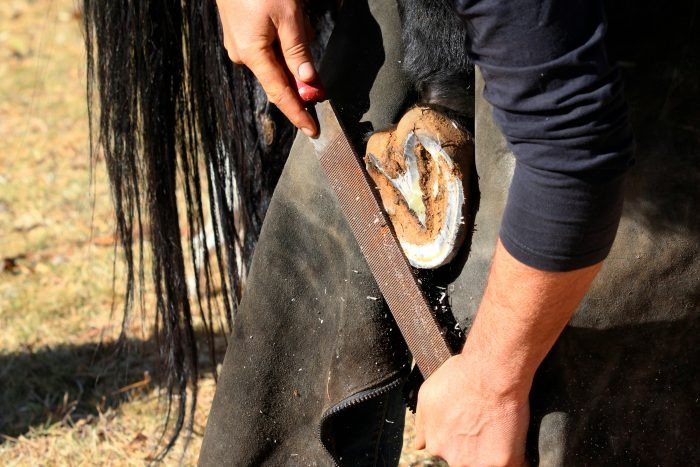
- Routine Farrier Visits: Don’t be tempted to skip farrier appointments in winter. Regular trimming and balancing are essential to maintain hoof structure and prevent cracks, even if your horse is being ridden less. If you’re concerned about snow balling up in your horse’s shoes, discuss options like snow pads with your farrier.
Horse Feed and Hydration Through Winter
A horse’s diet and water intake are critical during the colder months.
Provide Extra Hay in Winter
Horses can generate a significant amount of internal heat through digestion, thanks to the large fermentation chamber in the gut called the caecum. This chamber is where all the forage is broken down, generating substantial warmth for the horse. In extremely cold conditions, provide your horse with extra hay or haylage to help fuel this process and keep them warm and comfortable. Horses expend more energy to maintain their body temperature, so they tend to have more of an appetite.
Adjust the Horse’s Feed According to Workload
Leisure horses require a largely fibre-based diet, and care must be taken when adding feeds high in protein and sugars to ensure that these are used as fuel for exercise and are not stored as excess energy. Understanding their nutrition is key; if your horse’s workload diminishes in the winter, reduce the high-energy feeds in line with the exercise they will do to make your rides more enjoyable and safe.
Monitor Body Condition
Be sure to monitor your horse’s body condition closely. Your horse will need more feed and warmer rugs if they are too thin. If they are overweight, you can use this time to help them lose weight in preparation for the spring grass. Removing rugs at least daily is a good practice to assess their condition and identify any issues that may be hidden beneath them.
Ensure Adequate Water Intake
As always with horses, they require a fresh, clean water supply, and it is essential to ensure they are drinking enough. Adequate fluid intake supports digestion and overall health. Don’t forget to break up any ice in the troughs and, if possible, insulate the buckets. Adding some warm water can encourage them to drink more. Soaking hay and giving warm mashes are also excellent methods to boost your horse’s fluid intake.
Checklist of Winter Horse Care Essentials
Finally, let’s summarise your equine winter care essentials in this quick list.
To properly manage your horse this winter, you will need:
- Appropriate horse rugs for their routine
- Horse feed
- Forage – hay/haylage
- Bedding – shavings, straw, wood pellets, etc.
- First aid kit
- Clippers
- Lunging equipment
- Hi-vis gear, for horse and rider
- Stable tools
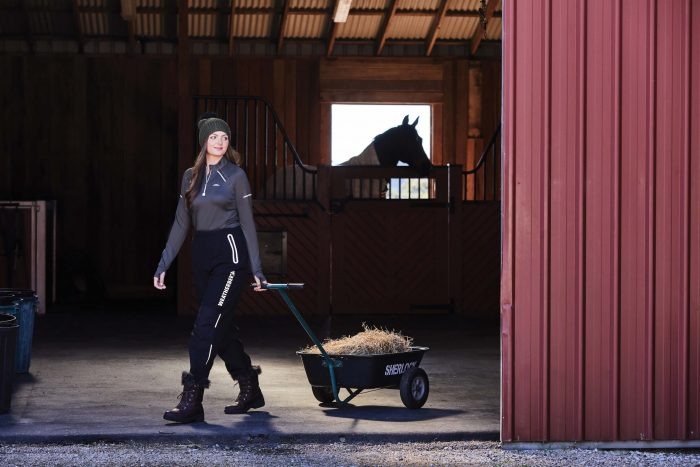
- Don’t forget warm, waterproof clothing for yourself, too!
FAQs
Do all horses need a rug in winter?
No. Many horses, especially native breeds with thick coats and adequate shelter, can manage without one. Rugs are primarily needed for clipped, elderly, thin, or fine-coated horses.
How do I prevent my horse from getting cold?
The most effective way is to provide plenty of forage (hay/haylage), which generates internal heat as it ferments in the gut. Shelter and appropriate rugging (if needed) are also key.
What is the best approach to cleaning muddy legs?
It is often better to let the mud dry completely before brushing it off than to repeatedly wash the legs, which can make them more susceptible to mud fever.
How can I encourage my horse to drink enough water when it’s cold?
Ensure constant access to unfrozen water, break up ice frequently, and consider adding warm water to their bucket or feeding a warm, wet mash.
Why is exercise important even in winter?
Movement helps to prevent stiffness, reduces fluid build-up in the limbs, and provides essential mental stimulation, especially for horses that are stabled for longer periods.
What is the best type of bedding for horses with COPD/respiratory issues in winter?
For horses with Chronic Obstructive Pulmonary Disease (COPD) or other respiratory sensitivities, the bedding’s dust content is the most critical factor. Opt for low-dust alternatives, such as high-quality, dust-extracted wood shavings, shredded cardboard, or rubber matting, with minimal bedding. Avoid traditional straw, which can harbour mould spores and excessive dust that irritates the horse’s airways.

Comments are closed here.