
How to keep a horse calm on bonfire night
Bonfire night can cause stress and fear in many animals, and horses and ponies are no exception, making it a worrying time for their owners. The bangs from fireworks can be very unsettling, and it is hard to know how to deal with the situation to comfort the animal. Horses are flight animals that typically try to avoid all stressful or frightening situations. This could result in them injuring themselves by attempting to jump a fence or climb stable doors. We have put together some top tips to help protect your horse during Bonfire Night and reduce your stress levels.
Table of Contents
How to prepare your horse for bonfire night
What to do on bonfire night
The morning after bonfire night
Lancashire fire department
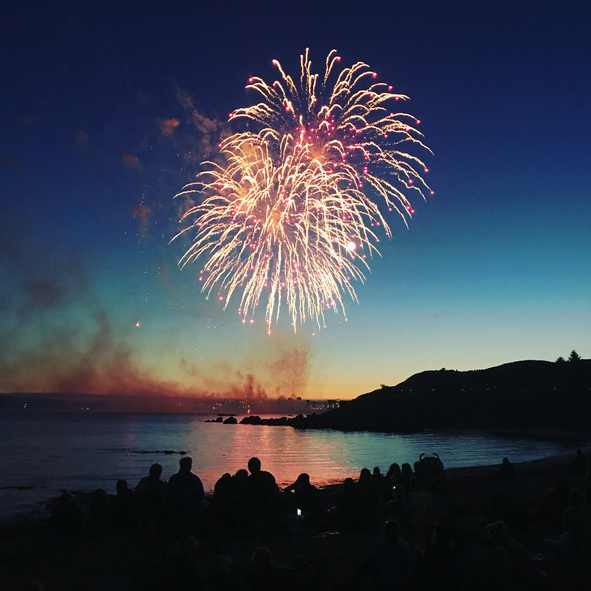
How to prepare your horse for bonfire night in advance
Keep your horse in a good routine
To make Bonfire Night and other nights throughout the firework season as stress-free as possible, we recommend keeping your horses in their usual routine, if safe to do so. Find out if there are any firework displays near where your horse is kept that might affect your horse’s routine, and if necessary, look for alternative accommodation away from large displays.
Get to know your local firework displays
Preparation is key, so it is best to have advance notice of any displays as you will know to expect them. Find out where the local displays will be located, along with their days and times.
Speak with your neighbours to let them know that you have horses and need to prepare; this allows them to inform you if they plan on having a firework display. Check for local events by searching on social media and asking in your local town.
Fire Safety
Although the likelihood of a rogue firework causing a stable fire is low, it is every owner’s worst nightmare. Make sure you are prepared for the events of a stable fire, as it could save lives.
Check if there will be any bonfires close to your stables/fields. Ensure that they are at a safe distance from your horses, but remind yourself of your emergency fire evacuation plans for the worst-case scenario. Ensure you have a fire extinguisher, sand, and water nearby, just in case.
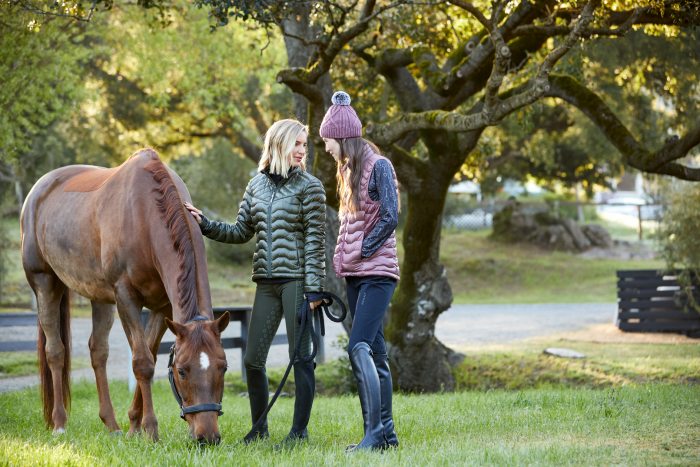
What to do on bonfire night
Use Distractions on your horse
Give your horse plenty of hay to keep them occupied. We also recommend having some distraction toys and treats for your horse, such as a treat ball or a tasty lick.
Having a radio on in the yard, perhaps with calming classical music, can be soothing and reduce the impact of a sudden noise cutting through the silence. Similarly, having a light on will reduce the effect of flashing lights. You can also make your horse wear ear covers to help reduce the noise they hears.
Regular check-ups
Make sure you check up on your horse regularly. It would be beneficial to stay with them if you have time. Stay the night in the stables, and bring a flask and a picnic to keep you going. You can complete small tasks, such as giving your tack a thorough clean and ensuring your supplies are full.
Try to remain as calm as possible, as horses are very sensitive to human emotions. Signs of distress include pacing, spooking, sweating, flared nostrils and vocalisation. Your horse can also be too stressed to eat and may have an upset stomach, leading to colic.
Monitoring is key, as this will allow you to intervene early. If your horse is prone to gut stress, introduce a pre/pro-biotic before the event to settle their stomach – we have a range of instant biotics and daily supplements which can soothe the stomach, making the horse more comfortable and a tidier stable for you!
Using calming products
As an owner, your mood and stress levels will have a direct impact on your horse; it is very important that you try not to get angry or upset in front of your horse. Try to remain calm, and it will reflect on your horse. It is useful to have access to instant calming supplements for horses if you know they are likely to become very stressed at this time of year. You could also introduce a daily calmer to help prevent this.
Always consult with your vet, too, if your horse is very distressed or likely to become so, as they may be able to offer sedation or other options to reduce the stress.
Firework training and desensitisation CD’s
You could also trial desensitisation before 5th November. There are firework desensitisation CDs that you can use to help horses, and other pets, get used to the noises – play it quietly to start with whilst your horse experiences something he enjoys, such as eating his feed or having a groom.
Gradually increase the volume when your horse isn’t reacting to the sounds. If your horse becomes upset, lower the volume for a couple of days and gradually increase it again.
Once your horse isn’t reacting to the recording, create some loud noises at a distance and reward them for not reacting – this could be a scratch on the neck or a treat. Keep at a safe distance when making loud noises to prevent injury, and don’t scare your horse. Increase everything gradually, which will help them not be as startled by loud noises.
Do not ride your horse on bonfire night
Don’t ride in the evenings when fireworks are on to prevent injury to yourself and the horse if it was to spook. Try to ride in the daylight before any fireworks are launched. Ensure you have third-party liability insurance, as you could be liable for damages if your horse were to escape in fright and cause an accident or break something.
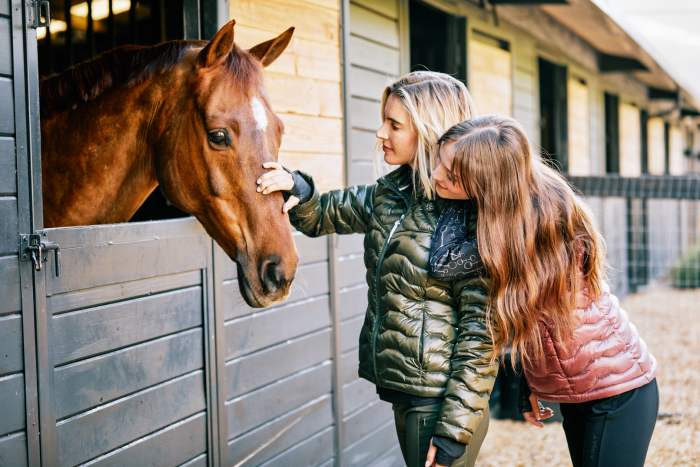
The morning after bonfire night
Check all your fields
It is important the morning after fireworks have been let off to check all your fields to make sure there is no debris left that could injure your horse or yourself. Make sure you handle it with care, as there could be fireworks that have not gone off.
Check your horse for any injuries from fireworks
The day after any firework displays, it is vital to check over your horse for any injuries or cuts caused by fireworks or stress. Carry out your normal morning routine and take extra precautions in case your horse is hurt.
Lancashire Fire Department
We reached out to our local fire department here in Lancashire and they gave us the following quote regarding fire safety and their advice during the firework season.
“At Lancashire Fire and Rescue Service, we want everyone to enjoy Bonfire Night but also be safe. We recommend you go to an organised display to enjoy a bonfire and firework display this year. Fireworks can be great fun for the whole family, but they can also be dangerous. This is one of the reasons we don’t recommend you light bonfires and fireworks at home.
Organised events are run by professionals. They have proper safety precautions in place, such as barriers and first aid points. This makes it much safer for you and your loved ones to enjoy a bonfire and a fireworks display.
Fireworks are loud and bright, and this can be distressing for some people and also for pets. Going to an organised display instead of setting fireworks off at home means that your neighbours and their pets will not be distressed by all the lights and noise.
If you do want to set off fireworks at home, please tell your neighbours beforehand so they can prepare themselves. This can make a big difference so that everyone can enjoy Bonfire Night.”
– Kirsty McCreesh, Group Manager for Prevention, Lancashire Fire and Rescue Service.
We hope our top tips help you and your horses have a relaxed bonfire night this year and that everyone stays safe. The most important thing is to find what works best for your horse, every horse is an individual, and they need to be managed as such. Discover some of our horse care and horse therapy products to help you during the firework season.

Comments are closed here.