RIDING HAT SIZE GUIDE
A lot of equipment is involved in equestrian sports, from the essentials like saddles and bridlesto fun horse toys and treats. But rarely is a piece of equipment more important than a riding hat.
Riding a horse is an incredible experience. It's exhilarating, exciting and fun, but it doesn’t come without risk. Horses are amazing creatures but can be unpredictable to even the most experienced riders. It can only take a split second for a horse to become spooked. Head injuries account for over 50% of riding accidents, so wearing a riding hat to protect you is vital.
A riding hat needs to fit properly to be effective. In this guide, we will run through how to measure a riding hat and ensure it fits properly, along with the different types of hats.

How to measure a riding hat
It’s imperative that your helmet fits properly. Horse riding is an incredible sport, but it has its risks. Head trauma is the leading cause of fatal accidents in equestrian sports, so using the proper protective equipment is vital. Although this guide offers extensive guidance, helmets will fit each individual differently depending on head shape and size.
A step-by-step guide to measuring for a riding hat:

1.
Using a soft fabric measuring tape, measure around the widest point of your head, around an inch above your eyebrows. Ensure the tape measure sits just above the top of your ears. You might find it easier to have someone help you.
2.
Measure in both centimetres and inches, repeating the process a few times to ensure an accurate measurement.
3.
Compare your measurements to our chart below. Be aware that fits differ between manufacturers, product lines and helmet models.
4.
Place the helmet on your head with your hair in the style it usually is when you ride. Those with longer or very thick hair might need to increase helmet size slightly.

5.
You may need to experiment with different helmet brands, styles and shapes to find the best one for you. Some helmets are better for round heads; others are better for oval shapes.
Riding hat size chart
Once you have your measurement, use it to find the corresponding skullcap or hat size. If you are between measurements, we recommend choosing the larger size or, ideally, trying on both hats to determine which is best. You may find you need to size up if you have very long or thick hair.
How do I know if my riding hat fits correctly?
Whether fitting a traditional hat, jockey skull cap or modern helmet, there are a number of checks you can carry out to ensure the fit is correct:
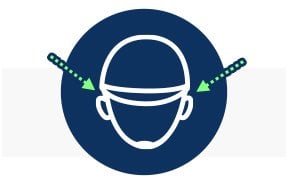
Your hat should feel like it is gripping and latching onto your head snugly, but it shouldn’t feel painfully tight.
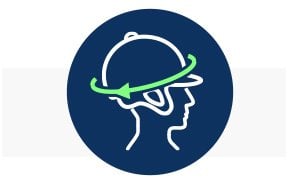
Lift your hat at the peak. A well-fitting hat should grip and move the eyebrows.
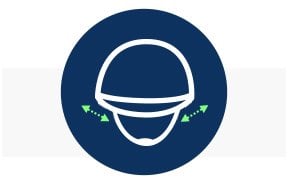
There should be no big gaps between your head and the helmet.
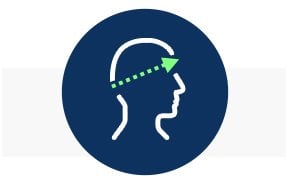
The helmet should sit straight on your forehead with around a finger’s width gap above your eyebrows.
Wear your hat around the house to ensure it stays comfy and doesn’t start digging in.
If you are buying a hat for a child, do not be tempted to buy a size bigger for the “growing room”. If the hat doesn’t fit properly, it isn't going to keep them safe!

Riding hat safety standards
All riding hat manufacturers must produce hats to meet one or multiple international equestrian safety standards. Each standard or kitemark tests for various impacts and accident scenarios. This is why it’s important to wear an actual riding hat. A helmet designed for cycling or skateboarding will not offer the correct protection.


The BSI Kitemarks check one of every 200 helmets from a batch between 800 and 3,200. The whole batch is destroyed if the helmets do not meet the required standards.
It’s important to take proper care of your hat to ensure it retains maximum protection:
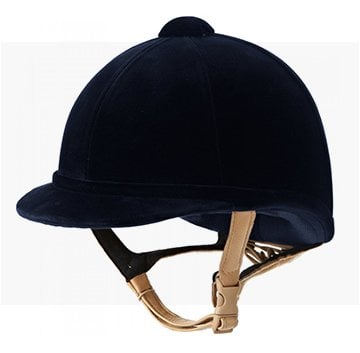
Traditional peaked riding hats
This is the style that most people would picture when they think of a horse riding hat. Rounded in shape with a small fixed peak, the traditional peaked hat style tends to be worn in dressage and showing. Early iterations of this style were more fashion-focused, made only to be the finishing touch to hunting attire. Now, these hats conform to safety standards as well as complement your riding outfit!
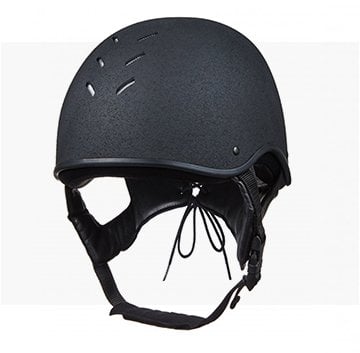
Skull cap
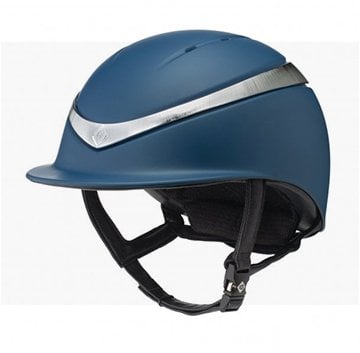
Premium riding helmet
Popular among show-jumpers, dressage and long-distance riders, premium riding helmets offer a stylish appearance with many finish choices. Premium helmets can often be found in smooth, matte or shiny styles with a velvet or suede covering. You’ll often find styles with fixed or flexible peaks, with various accessories from removable linings to adjustable dials.
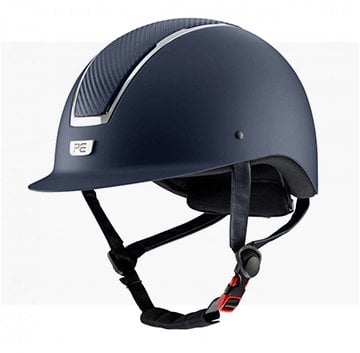
Adjustable hats
An adjustable hat is a convenient, versatile choice that works for many riders. The adjustable dial means these hats offer a personal fit for everyone. They are a lightweight option with modern styles and a sporty profile that appeals to riders of all ages.
Best riding hat brands
Oakfield proudly offers an extensive collection of riding hats from names you can trust.
Charles Owen
Charles Owen is a family-run business that was founded in 1911 by Charles Owen himself. Over 110 years and four generations later, the company remains under the direction of Owen’s great-grandson. Shop the full collection of Charles Owen riding hats at Oakfield.

Champion
With over 40 years of experience, Champion has been pivotal in developing and designing riding hats. They were involved in developing the PAS015 kitemark and have put a lot of work into ensuring their products are up to date with the latest safety standards. Shop the full collection of Champion riding hats at Oakfield.
Karben
Karben riding hats are a favourite of equestrians worldwide. They offer high-level protection for casual riders, showjumpers and dressage riders. Under the parent brand of Shires, Karben helmets have been worn for over five decades, even supplying the Royal Household with equestrian equipment. Shop the full collection of Karben riding hats at Oakfield.