
Mastering the Moult: How to Manage the Spring Coat Shed
As every horse owner knows, there is a specific time of year when you leave the stables wearing almost as much horse hair as your equine friend. Welcome to horse shedding season, that transition period where your horse’s woolly winter defence makes way for a sleek summer shine.
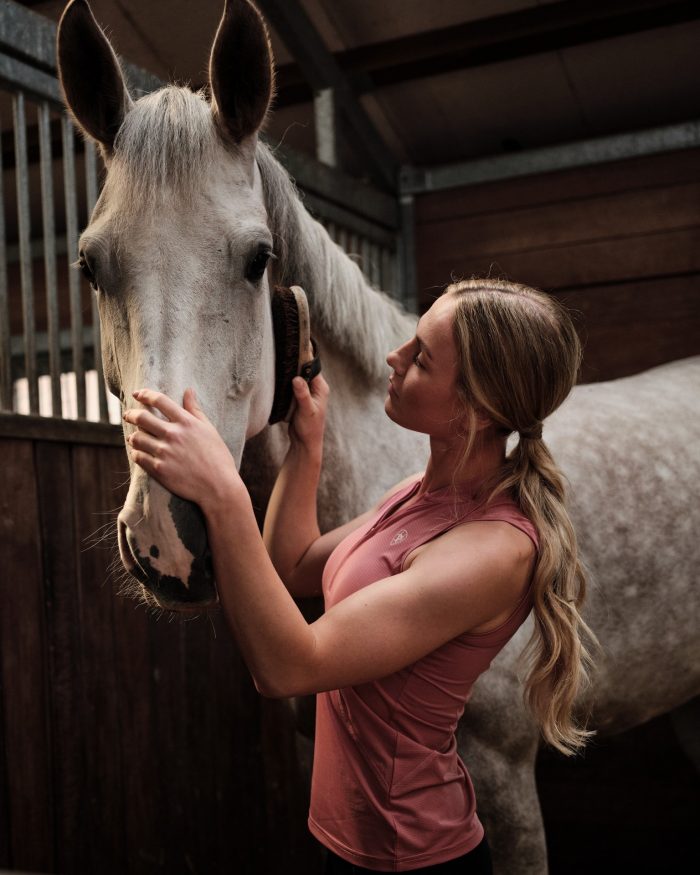
At Oakfield Saddlery, we know that whether you are a “happy hacker” or a competition rider, dealing with the “great moult” is a universal experience. While it requires a fair bit of elbow grease, it is also a fantastic opportunity to assess your horse’s health and bond with them. Here is everything you need to know about the science of shedding, the best tools for the job, and how to support your horse’s coat from the inside out.
Summary (TL;DR)
- Timing: Horse shedding is triggered by daylight hours, peaking in March/April.
- Tools: Upgrade your horse grooming kit with shedding blades and detanglers for thick coats and mitts for sensitive areas.
- Nutrition: Feed for the coat you want. Use coat shine oils and supplements containing Omega-3s and Zinc (check out our NAF and Global Herbs ranges).
- Health: A coat that won’t shed can be a sign of Cushing’s disease or nutritional deficiency.
- Oakfield Tip: A good grooming session is better than any gym workout!
Table of Contents
When and Why Do Horses Shed?
Many riders assume that rising temperatures trigger horse winter coat shedding, but the process is actually governed by light.
The Science of Photoperiods
Photoperiods regulate your horse’s coat cycle, the number of daylight hours. As the days begin to lengthen after the winter solstice (late December), your horse’s pituitary gland receives signals to reduce melatonin production. This hormonal shift signals the body to shed the thick winter coat and begin growing summer hair.
What Month Do Horses Shed Their Winter Coat?
While the biological trigger happens in deep winter, you typically won’t see the “hair explosion” until late February or March.
- January/February: The coat may begin to look dull as the hair dies.
- March/April: Peak shedding season. This moment is when your horse grooming kit will see the most action.
- May: Most healthy horses should be fully shed out and sporting their summer coat.
Oakfield Insight: Did you know that keeping a horse under artificial lights (like in a busy competition barn) can trick their body into shedding earlier? Conversely, horses kept in darker environments may hold onto their coats longer.
Nutrition: True Shine Starts From Within
You can brush for hours, but if the new coat coming through isn’t healthy, you won’t get that showroom shine. Shedding is a metabolically demanding process; your horse is manufacturing millions of new hairs while pushing out the old ones.
To support this process, look for supplements rich in Omega-3 fatty acids, Zinc, and Biotin.
Top Supplement Picks at Oakfield:
- Coat Shine Oils: Adding a splash of coat shine oil to the feed is a classic way to support coat health. NAF and Gold Label offer excellent linseed and pig oils that provide the essential conditioning needed for skin elasticity and shine.
- Herbal Support: Global Herbs offers specific blends designed to support skin conditions and restore shine to dull coats.
The Best Horse Shedding Tools for Your Kit
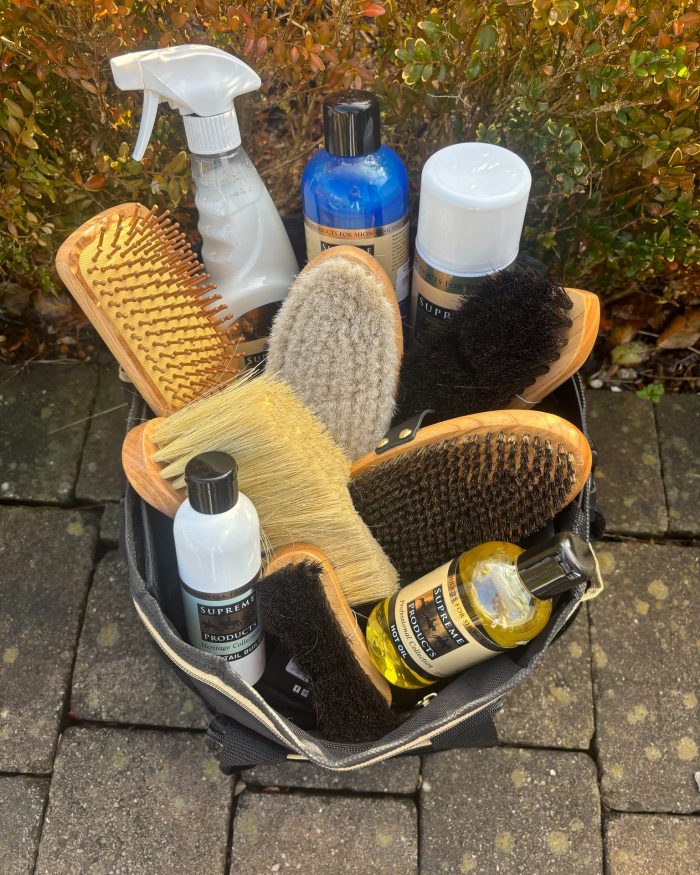
Having the right horse shedding tools can cut your grooming time in half and make the experience much more pleasant for your horse. Here are our top recommendations from the Oakfield warehouse:
The Heavy Lifters: Shedding Blades and Detanglers
For horses with thick, teddy-bear coats, a dry, standard brush just won’t cut it. A metal shedding blade (used carefully on fleshy areas, avoiding bony points) is highly effective at dragging out loose undercoat. Thicker coats may also need the additional help from a detangler.
- Try: The Kincade shedding blade is a cost-effective staple for any tack box.
- Try: NAF’s Silky Mane and Tail D-Tangler for deluxe deep conditioning.
The Sensitive Choice: Grooming Blocks
If your horse is sensitive or ticklish, a grooming block is a game-changer. These fibreglass blocks strip away loose hair and bot eggs without the “scrape” of a metal blade.
- Tip: These are excellent for removing the last of the winter fluff from legs and faces.
The Deep Clean: Rubber Mitts & Curry Combs
Mitts are essential for massaging the skin and bringing oils to the surface.
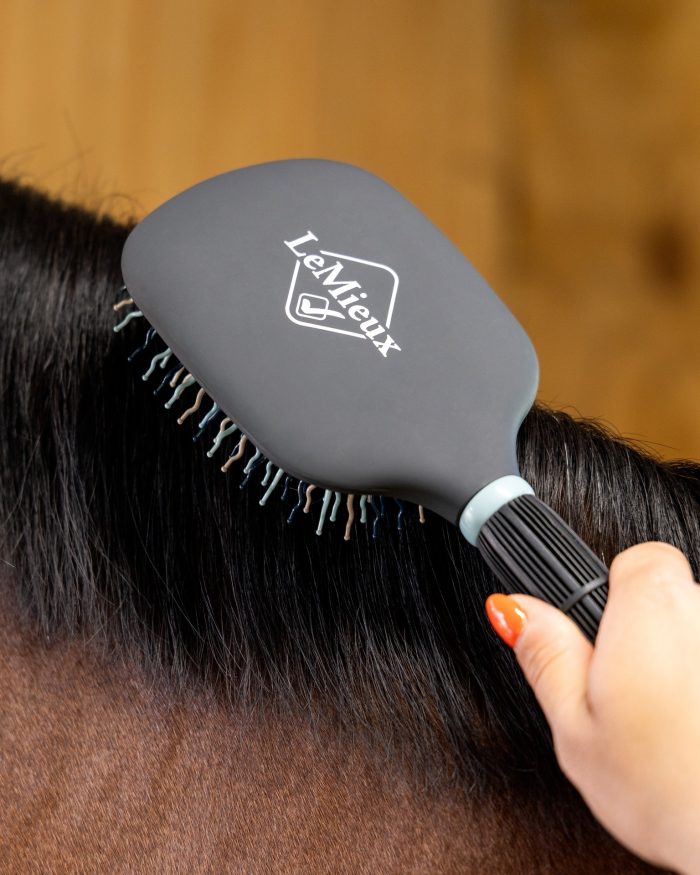
- Review: If you are looking for a LeMieux grooming kit, their grooming mitts consistently top the charts. They are flexible enough to use on legs but durable enough to remove serious mud and hair.
The Finishing Touch: Body Brushes
Once the loose hair is removed, use a high-quality body brush to flick away the dust and lay the hair flat. Brands like Shires and Roma offer durable brushes that are perfect for this final step.
Health Check: When Shedding Goes Wrong
Sometimes, a coat that refuses to shed can be a red flag for internal health issues.
Delayed Shedding
If your yard friends are all slick and shiny in May while your horse is still woolly, it is worth investigating.
- Cushing’s Disease (PPID): One of the hallmark signs of Equine Cushing’s disease is “hirsutism”, a long, curly coat that fails to shed. This disease is common in older ponies and horses.
- Worm Burden: A high parasite load can steal the nutrients required for coat shedding.
- Poor Nutrition: A lack of protein or essential fatty acids can stall the hair growth cycle.
If you are concerned, our friendly staff can advise on nutritional support, but we always recommend consulting your vet for a definitive diagnosis.
Frequently Asked Questions (FAQs)
How long does it take for a horse to shed its winter coat?
Typically, the heavy shedding phase lasts about 6 to 8 weeks. However, this varies by breed; a native pony will take much longer to shed than a fine-skinned thoroughbred.
Can I clip a shedding horse?
Yes! Many riders choose to do a “bib” or “trace” clip in late February to remove the bulk of the sweating hair. Just be aware that clipping late in the season might cut the tips off the new summer coat, potentially making the colour look slightly duller until it grows out fully.
Does rugging a horse stop them from growing a winter coat?
Not entirely. Because coat growth is triggered by light, not temperature, a rugged horse will still grow a winter coat. However, the rug keeps the skin warm and flattens the hair, keeping the coat finer and easier to manage than an unrugged horse.
How can I make my horse shed faster?
- Vigorous Grooming: Daily currying stimulates blood flow to the follicles.
- Exercise: A workout that gets the horse warm and sweating can help loosen dead hair.
- Oils: Add a coat supplement or linseed oil to their feed.
- Lighting: Increasing the hours your horse is exposed to light can accelerate the process.
Ready to tackle the fluff?
Visit our superstore or browse online to find the perfect shedding tools and coat supplements. Our qualified team is always on hand to help you choose the right products for your horse’s specific needs.
Read Next
How to Braid Horse Hair
How to Keep You and Your Horse Cool in Summer
How to Wash Horse Rugs: A Step-by-Step Guide

Comments are closed here.