
How to Wash & Store Saddle Pads
A clean and properly stored saddle pad will serve you well for many years. Keeping them in good condition is important for their longevity and your horse’s comfort, leading to better performance and a bond between horse and rider.
Here, we will run through the best ways to clean your saddle pads and store them properly to ensure they perform at their best and are comfortable for you and your horse.
Contents
Why is saddle pad care important?
How often should saddle pads be washed?
Where is the best place to store saddle pads?
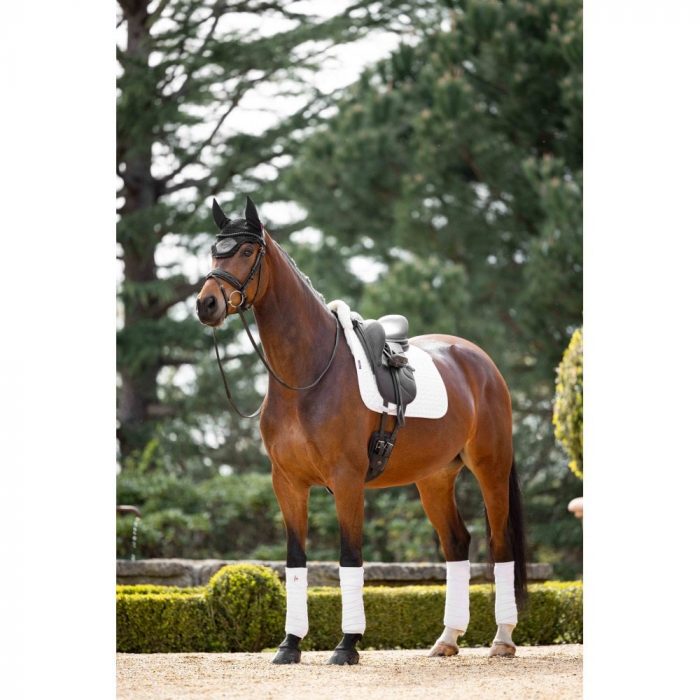
LeMieux Merino+ Half Lined Dressage Square
Why is saddle pad care important?
Taking proper care of your saddle pads is important for their longevity, the condition of your horse’s skin, and the pad’s performance with other equipment.
A clean saddle pad is much nicer to look at than a dirty one, and while looks are important, the hygiene aspect will ensure your saddle pad serves you for a long time.
Horse sweat can be very damaging to saddle pad material and reduce its durability and cushioning, making the pad stiff and irritating to your horse’s skin with increased friction. Plus, if too much dirt is allowed to build up, your saddle pad will become a breeding ground for bacteria, and any moisture-wicking functionality will be reduced.
That said, there is no downside to caring for your saddle pads properly! They will last longer, be more comfortable for your horse, and look great.
How often should saddle pads be washed?
It’s important to care for your saddle pad straight after riding, using a brush to wipe away dirt and hair. We recommend letting your saddle pad fully air dry between each use. If you ride frequently, cleaning your saddle pad around once a week is best. For more occasional riders, less frequent washing is fine.
How to clean a saddle pad
You can clean your saddle pad by hand or in the washing machine, but it’s important to take proper care with both methods to ensure your pad doesn’t get damaged.
Prepare
Before proceeding with either method, get your saddle pad ready for cleaning using a brush to remove dirt and hair. If you try and clean your saddle pad when it’s caked in mud, dirt, hay or horse hair, it will take forever and potentially damage your washing machine.
Hand wash
Hand washing is the gentler option and more suitable for saddle pads with any special detailing like embroidery, patches, or rhinestones.
- Soak the saddle pad in warm water to loosen deep-seated dirt, oils and sweat.
- Use a mild laundry detergent with a sponge to agitate stains, marks and soiled areas. Do not use anything too harsh, like a scourer, as this could damage the material.
- Use clean water to rinse out the detergent.
- Squeeze the saddle pad carefully to remove excess water. Do not wring it. This can cause the pad to lose shape.
- Mould the saddle pad into its usual shape and hang it to air dry.
Machine wash
Most modern saddle pads can be put in the washing machine on a gentle cycle. Always check the label before going ahead.
- Ensure any velcro fastenings are shut tightly to avoid damage.
- Put the saddle pad in the washing machine inside out so the underside, which has the most contact with your horse, can be cleaned thoroughly.
- We recommend cleaning at no higher than 30℃ – this is especially important for pure cotton saddle pads as they’re at the highest risk of shrinking at higher temperatures.
- Remove the saddle pad from the machine as soon as the cycle has finished and mould it back into shape before hanging to air dry.
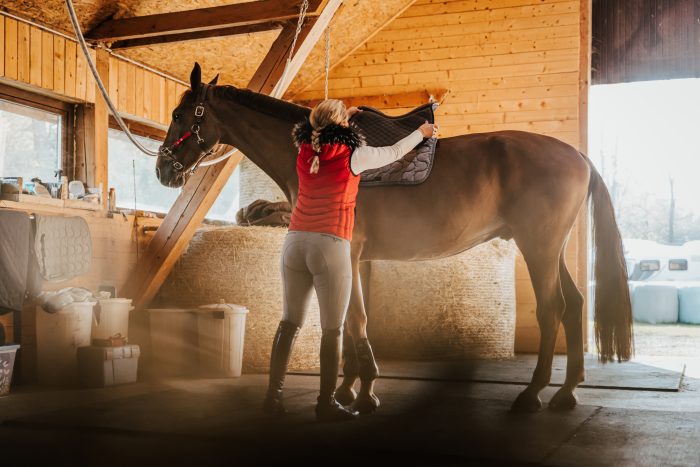
Can you fold a saddle pad?
Yes, you can fold saddle pads to save space while storing. However, it’s important to fully unfold and remove any wrinkles to ensure it lays flat underneath the saddle. Even small creases can create pressure points with a saddle on top, irritating your horse’s skin.
Folding in half or even into thirds shouldn’t cause any issues.
Where is the best place to store saddle pads?
While it might be tempting to pile up your saddle pads in the corner, a proper storage solution is important to help your pads keep their shape, which is crucial to your horse’s comfort.
Don’t worry, though! There are plenty of storage options to keep your saddle pads in perfect shape.
Hung on a rack
A saddle pad rack will keep your pads in the correct shape between uses. They are simple but effective and ensure your pads can air out properly to remain comfortable for your horse.
Wall mounted storage
A wall-mounted hanger is great for those with limited space. They usually have a dedicated spot for each pad, meaning there is plenty of room for airing out and maintaining their shape.
Storage bags
A special saddle pad storage bag is ideal for longer-term storage. They shield your pads from moisture, dust and dirt until they are ready to be used again. We recommend washing your saddle pads and letting them completely dry before storing them away for long periods. When you need them again, give them time to air and for creases and wrinkles to drop out before using them.
Storage boxes
Another option for long-term storage is a simple box. You could reuse feeding tubs, as we recommended in our horse rug storage blog, or another similar storage box. As mentioned, ensure they are clean and completely dry before storing them.
Protect from the elements
It’s important to ensure your saddle pads are protected from the elements. We recommend storing them indoors, as far away from any moisture as possible, to avoid mould and mildew from developing on your pads. It also helps prevent unwanted guests like mice or insects from making a home among your saddle pads.
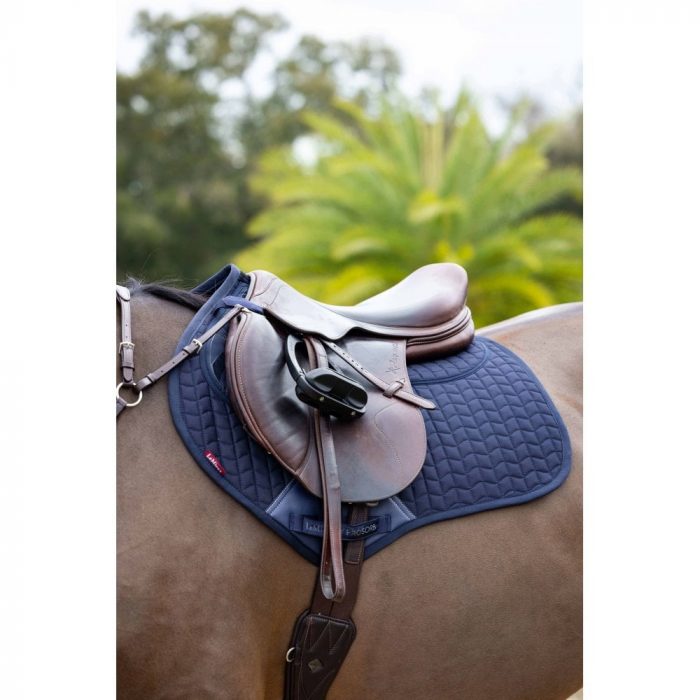
LeMieux ProSorb Plain 2 Pocket Close Contact Pad
Saddle pads are a vital piece of tack for every equestrian. Shop our collection at Oakfield with options from leading manufacturers such as LeMieux, Shires and Weatherbeeta. Why not also browse our collection of numnahs and saddlecloths?

Comments are closed here.